


Description
Deublin 904-120-188 | AutoSense Union Core Category
Dynamic Product Introduction
Spindle fluid leakage on high-speed CNC machining centers usually starts with a worn rotary union seal interface. When a coolant union begins weeping or seizing during high-RPM operations, thermal expansion and contamination quickly ruin the internal mechanical faces. The Deublin 904-120-188 AutoSense union resolves these failures by delivering precise fluid transfer and low friction across demanding rotational cycles.
Unlike generic rotary joints, this unit is engineered specifically to handle high-pressure coolant and minimum quantity lubrication (MQL) applications without premature face degradation. Maintaining absolute leak-free operation on precision spindles demands exact hardware matching—making this specific union essential for preventing catastrophic machine tool downtime.
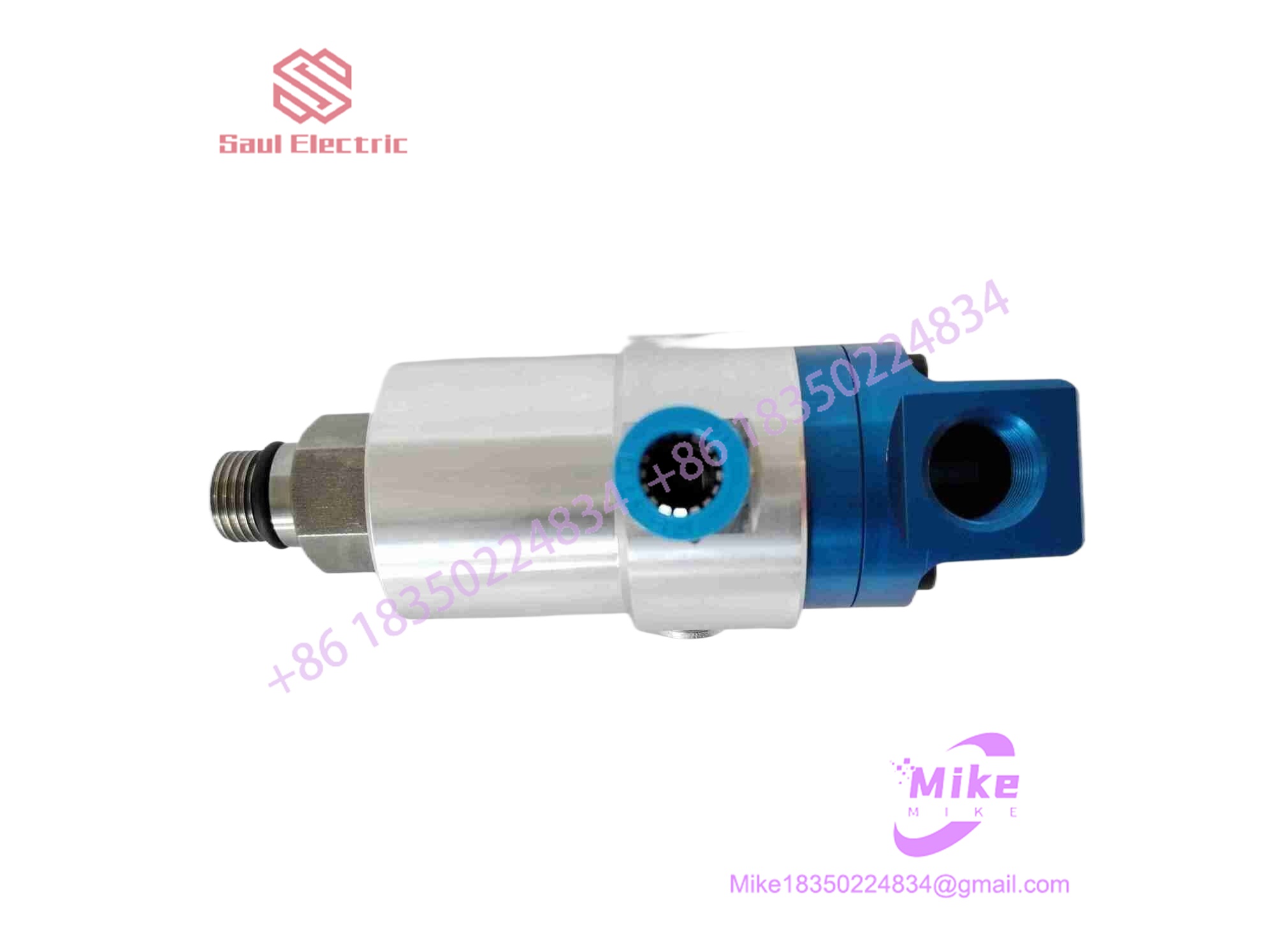
904-120-188
Key Technical Specifications
| Parameter | Specification Detail |
| Manufacturer | Deublin |
| Model Number / Part Number | 904-120-188 |
| Product Line | AutoSense Series Rotary Union |
| Spindle Connection | M16x1.5 Left-Hand (LH) thread |
| Pilot Dimension | 18 mm pilot alignment |
| Radial Port Connection | G 3/8″ radial connection port |
| Seal Technology | Balanced mechanical carbon-to-silicon carbide faces |
| Operating Environment | CNC machine tool spindles and industrial fluid delivery systems |
Global Sourcing & Live-Test SOP (Transparency Core)
Acquiring secondary-market rotary unions requires rigorous mechanical and pressure testing to ensure zero internal leakage or bearing wear before installation. Our qualification workflow covers:
- Inbound Verification: Incoming units undergo microscopic visual checks along the housing body, threaded connections, and sealing faces to detect pitting, thread galling, or contaminant buildup. OEM laser markings are authenticated against traceability databases.
- Live Simulation: We mount the rotary union onto a specialized high-RPM test spindle manifold configured to mimic active machine tool operating speeds.
- Diagnostics: Pneumatic and hydrostatic pressure tests are executed to verify seal integrity and check for breakthrough leakage across the internal passages. Runout and rotational torque are measured over an accelerated break-in cycle.
- Final Prep: Once testing criteria are verified, ports are fitted with protective threaded plugs, and the assembly is sealed inside a corrosion-inhibiting vapor barrier bag.
The Field Engineer’s Pitfall Guide
❗ Incorrect Thread Direction (Left-Hand vs. Right-Hand): Forcing a standard right-hand threaded fitting onto an M16x1.5 LH spindle connection will strip the threads instantly. Always double-check spindle rotation and thread pitch before installation.
❗ Dry Running Destruction: Running this rotary union without continuous fluid or coolant lubrication even for a few minutes will instantly burn up the carbon sealing faces through frictional heat.
❗ Excessive Side-Load Piping: I’ve seen technicians hard-pipe rigid steel lines directly to the union housing without flexible hose loops, placing heavy side loads on the internal bearings and causing premature failure. Always use flexible lines for radial connections.
Intent-Driven FAQ
Can the seals on the Deublin 904-120-188 union be rebuilt in the field?
While factory rebuild kits are available for certain industrial series, precision AutoSense models often require specialized factory tooling to lap the mechanical seal faces properly. Whole-unit replacement is recommended for guaranteed spindle reliability.
What causes rotary unions to fail prematurely on CNC spindles?
Contaminated coolant containing fine metallic chips, running the union dry, or excessive pressure spikes beyond the manufacturer’s design rating are the primary root causes of seal face scoring and failure.
Does this union support high-pressure through-spindle coolant applications?
Yes, the AutoSense architecture is built to handle standard and high-pressure fluid delivery requirements used in modern machining centers, provided proper filtration is maintained upstream.
How do I verify if a coolant leak is coming from the rotary union or the spindle drawbar?
Inspect the drain or weep hole on the spindle housing. If coolant is discharging from the union body drain or pilot interface during operation, the rotary union internal seal has failed and requires replacement.
What level of warranty is included with this surplus rotary union?
We back this component with a comprehensive one-year replacement warranty, covering mechanical defects and seal integrity under normal industrial operating conditions.





