

Description
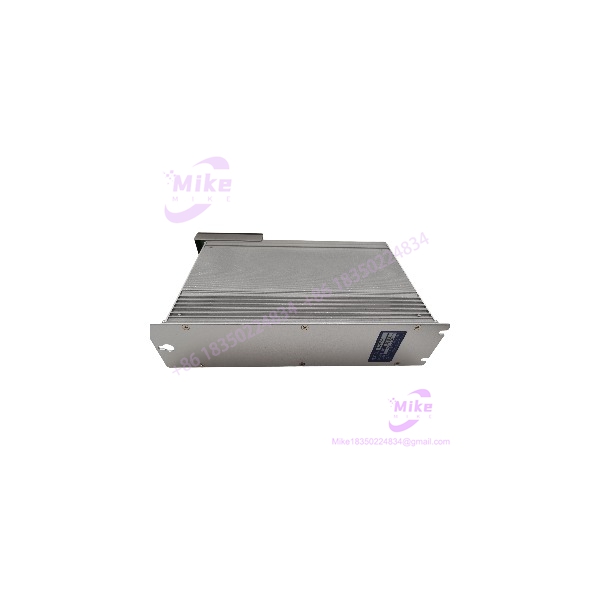
Daiichi Dentsu SAN3-24 | Electric Servo Nutrunner Controller Core Category
Dynamic Product Introduction
Precision torque-tightening and press-fit applications on modern manufacturing shop floors heavily rely on tight synchronization between the mechanical tool and the drive electronics. When legacy controllers experience communication loss or internal power supply degradation, production lines face expensive downtime. Honestly, finding a direct drop-in replacement that matches legacy pinouts and configuration logic without requiring a full system redesign is a continuous challenge for plant maintenance teams.
The Daiichi Dentsu SAN3-24 bridges this operational gap by integrating the power source and servo amplifier into a singular, space-saving footprint. Engineered specifically for electric servo nutrunner and press applications, this SAN3-24 unit delivers repeatable motion control and microsecond-level feedback processing. Field deployments highlight its maintenance-free architecture, which avoids volatile backup batteries entirely while storing multiple parameter profiles directly from the front panel interface.
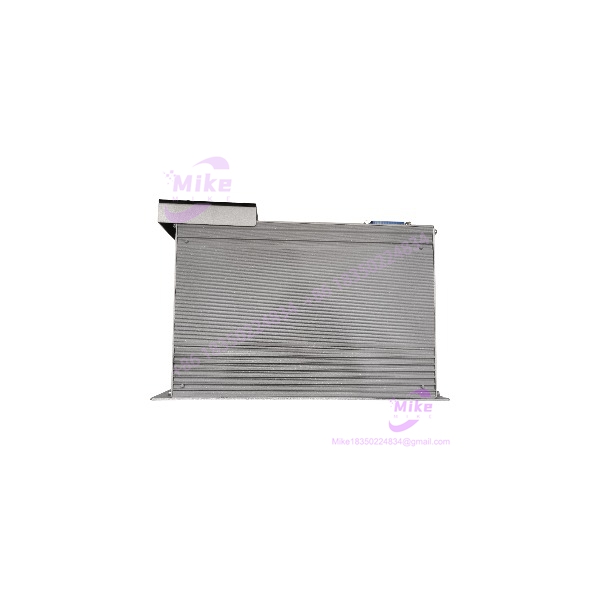
SAN3-24
Key Technical Specifications
- Input Voltage: 180 to 242 VAC, 50/60 Hz single/three-phase
- System Compatibility: Designed for Daiichi Dentsu Electric Servo Nutrunner / Servo Press systems
- Control Architecture: Full digital processing (eliminating analog volume potentiometers)
- Parameter Capacity: Up to 32 distinct operational configurations set via front panel
- Mounting Type: Rear-mounting design minimizing back-door cabinet clearance requirements
- Enclosure & Weight: Approximately 2.27 kg industrial-grade build
- Operating Temperature Range: 0°C to 50°C ambient parameters
- Operating Humidity Limit: Up to 90% RH (non-condensing)
Global Sourcing & Live-Test SOP (Transparency Core)
Sourcing discontinued or secondary-market automation components requires a strict, uncompromised verification framework. Inbound shipments of the Daiichi Dentsu SAN3-24 undergo rigorous customs and OEM paperwork tracing to verify batch authenticity and eliminate suspect grey-market stock.
Once cleared, each SAN3-24 unit transitions to our specialized testing bench. Technicians mount the hardware onto an authentic operational backplane mimicking actual factory load conditions. We execute a 24-hour thermal heat run while monitoring voltage regulation and internal component stability via infrared telemetry. Signal handshakes, internal logic execution, and encoder/resolver loops are verified under full-scale operating parameters. Finally, firmware versions are cataloged, and the hardware is vacuum-sealed in ESD-safe packaging prior to dispatch.
The Field Engineer’s Pitfall Guide
❗ Firmware Revision Mismatches: Swapping an older SAN3-24 variant with a newer revision without checking the ROM version can result in communication timeouts with upper-level assembly controllers. I once watched an automotive sub-assembly line stall for an entire shift because a technician overlooked a minor sub-version suffix string.
❗ Neglecting Grounding Isolation: Failing to isolate the functional ground (FG) from high-voltage switching circuits will inject heavy electrical noise into the feedback loop. Always ensure the SAN3-24 is wired with an independent third-class ground to prevent erratic torque-limiting errors.
❗ Line Voltage Fluctuations: Operating the SAN3-24 outside the strict 180–242 VAC window without an isolated regulating transformer can trigger sudden overvoltage or under-voltage protection trips during high-torque acceleration phases. Always verify incoming line stability using a true-RMS Fluke multimeter before initial power-up.
Intent-Driven FAQ
Will I lose my programmed tightening parameters if I replace the SAN3-24? Because the system leverages non-volatile parameter storage structures, core operational profiles are typically retained or re-pushed via the system interface; however, always back up your configuration data using the proper terminal software before swapping out a legacy unit.
Are surplus units of the SAN3-24 supplied in factory-sealed boxes?Inventory availability varies between factory-new, surplus original packaging, and professionally refurbished conditions. Every SAN3-24 unit we provide passes a rigorous bench test simulation regardless of its external cosmetic packaging status.
Is the SAN3-24 compatible with older analog adjustment potentiometers? No. The SAN3-24 series relies entirely on full digital processing, omitting old analog volume adjustments in favor of precise numerical parameters entered directly through the front interface.
What causes an immediate protection fault upon enabling the servo motor? This behavior usually points to a shorted resolver cable, a grounded motor winding, or incorrect current limits defined in the tool parameters rather than a core failure within the SAN3-24 driver.
What warranty coverage is included with a secondary-market SAN3-24?Replacement and surplus units typically include an extensive operational warranty covering both component integrity and functional performance under standard industrial duty cycles.