

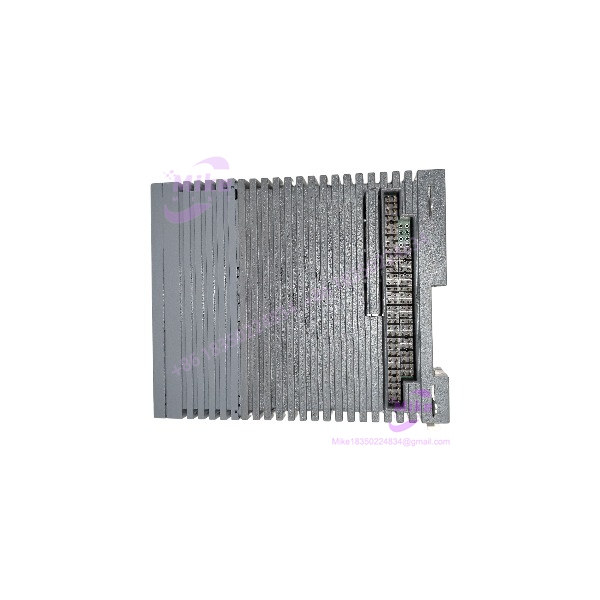
Description
Brad Communications PC104-DPIO DRL-DPM-BKF | PROFIBUS PC/104 Card Key Specs
Architect’s Product Breakdown
The Brad Communications PC104-DPIO DRL-DPM-BKF operates as a dedicated PROFIBUS master and network interface card within compact, stackable PC/104 embedded architectures. In retrofitted industrial enclosures, mobile control rigs, and specialized data acquisition skids where standard rack-mount PCs are too bulky, the PC/104 format delivers high reliability under heavy mechanical vibration. This specific module offloads deterministic token-passing protocol tasks from the host CPU, ensuring low-latency communication across distributed PROFIBUS DP field devices.
Integrating this card into an existing stack requires strict verification of stackdown pin alignments and IRQ/base address jumper configurations. Because PC/104 systems rely on direct pin-and-socket bus stacking rather than traditional backplane slots, any mechanical misalignment during assembly can bend delicate bus pins or cause intermittent address conflicts. Control engineers deploying this hardware must also verify that the host software stack (DLL and driver packages) matches the onboard firmware revision to avoid initialization timeouts during system boot sequences.
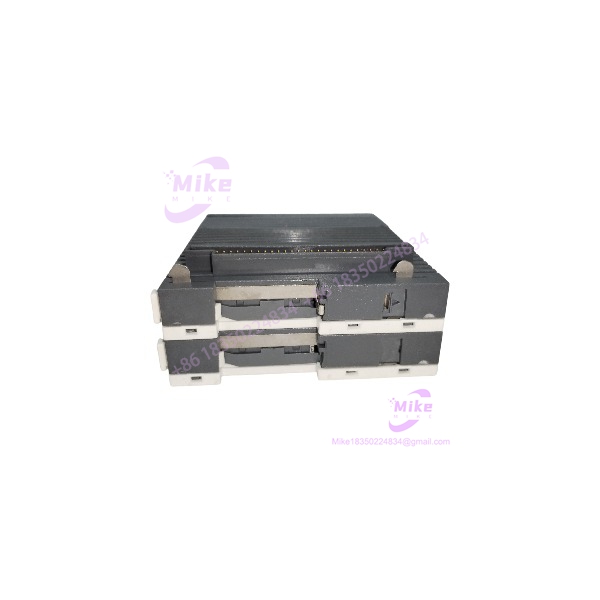
PC104-DPIO DRL-DPM-BKF
Key Technical Specifications
- Manufacturer: Brad Communications (Molex Woodhead)
- Product Category: PC/104 PROFIBUS Scanner / Network Interface Card
- Bus Architecture: PC/104 stackable bus format
- Supported Protocols: PROFIBUS DP Master, DP Slave, and FDL Layer 2
- Data Transmission Speeds: 9.6 kbps up to 12 Mbps (auto-detecting)
- Power Requirements: +5 VDC supplied directly via the PC/104 stack bus
- Operating Temperature Range: 0°C to +60°C (standard industrial threshold)
- Relative Humidity Limit: 5% to 95% (non-condensing)
- Physical Dimensions: Standard PC/104 module footprint (approx. 90 mm x 96 mm)
- Diagnostic Indicators: Onboard status LEDs for communication health and run/fault states
Field Engineer’s Pitfall Guide (Unique Value)
- Stacking Pin Damage: Never force modules together during assembly. I’ve seen technicians bend gold bus pins on the PC/104 connector stack by failing to align the male and female headers precisely, resulting in dead data lines and missing bus power.
- Ignoring Bus Termination: Omitting active line termination resistors at both physical ends of the PROFIBUS trunk line will cause severe signal reflections, leading to random node drops and cyclic redundancy check (CRC) errors.
- Driver Version Mismatches: Upgrading the host operating system without ensuring compatibility with the legacy card drivers will break communication handshakes. Always back up working driver binaries and configuration files before performing software maintenance.
QA & Testing SOP (Transparency)
- Visual & Origin Verification: Units undergo microscopic inspection for bent stack pins, clean PCB traces, and authentic OEM labeling.
- Live Test Bench Environment: Cards are mounted on a validated PC/104 test stack powered by regulated supplies to verify bus stability under thermal load.
- PROFIBUS Network Handshake Testing: Technicians execute multi-node polling routines against simulated slave devices to confirm zero packet loss at maximum 12 Mbps transfer rates.
- Anti-Static Packaging: Post-testing, units are sealed inside dissipative shielding bags with high-density protective foam to eliminate electrostatic discharge risks during transit.
Technical FAQ
Can I hot-swap the PC104-DPIO module within an active stack?
No. The PC/104 bus architecture does not support live hot-swapping. Always power down the entire embedded system and disconnect main power before installing or removing modules.
Does this module require external power connections?
No. Operating power (+5 VDC) is drawn directly through the stackable PC/104 bus pins from the system power supply unit.
What causes initialization failures on system boot?
Initialization failures typically stem from resource conflicts (such as overlapping memory addresses or conflicting IRQ assignments with other stack cards) or loose pin seating in the PC/104 connector stack.
What is the standard warranty status for surplus inventory units?
Verified surplus or new-in-box units typically carry a 12-month operational warranty covering material and manufacturing defects under normal industrial environments.





