


Description
Automotion ALC12DE-010-1312 Servo Amplifier | Core Motion Control Unit
Dynamic Product Introduction
Sourcing obsolete drive electronics for specialized industrial machinery means avoiding undocumented broker stock that lacks verification. The Automotion ALC12DE-010-1312 servo amplifier acts as a critical power regulation node, taking low-level controller signals and scaling them to drive motors with minimal latency. When legacy amplification modules fail on the production floor, dropping in a fully bench-tested, authentic replacement prevents extended line shutdowns and bypasses expensive control system retrofits.
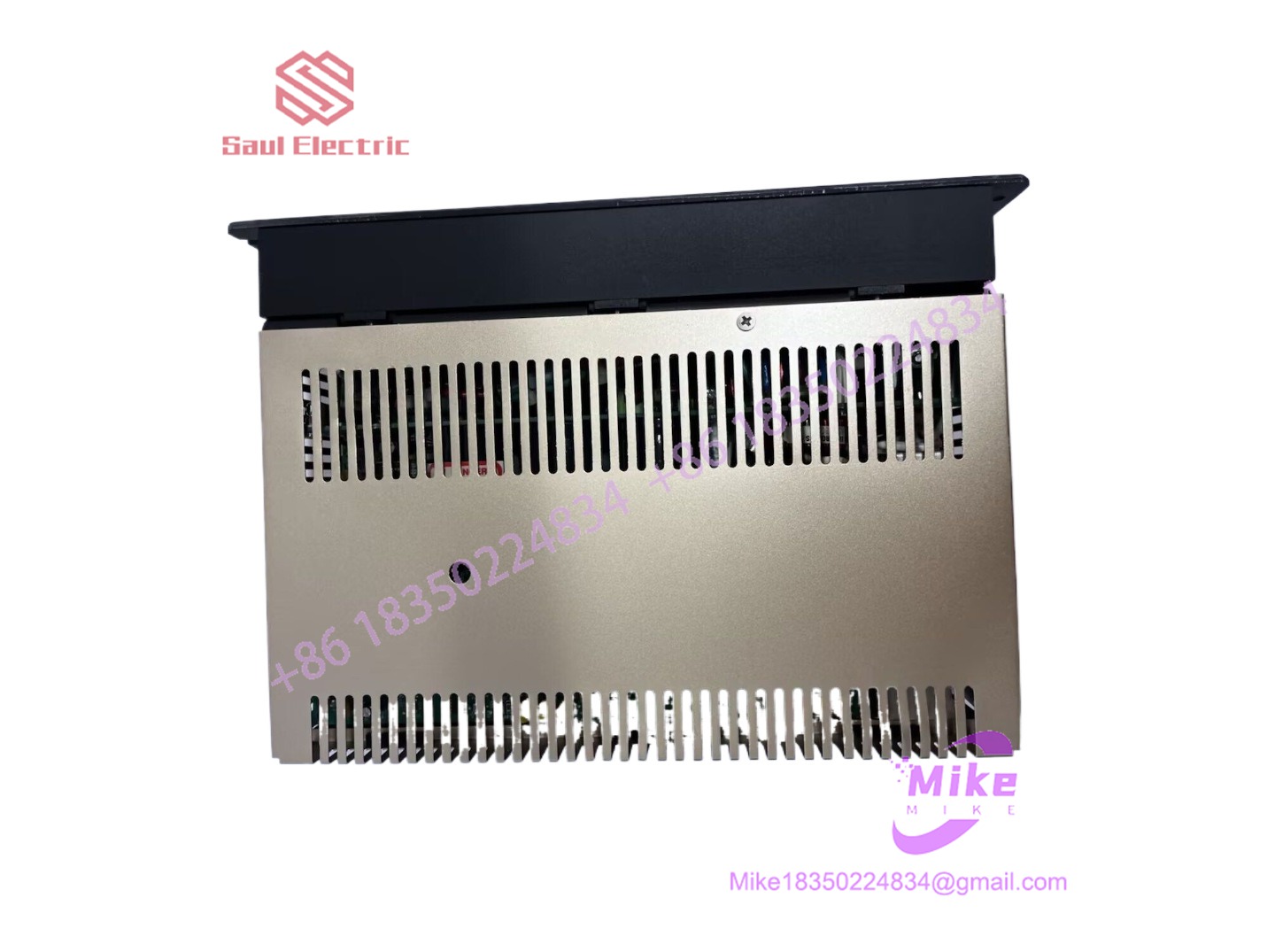
ALC12DE-010-1312
Key Technical Specifications
| Technical Parameter | Specification Value |
| Device Type | Industrial Servo Amplifier / Motor Controller |
| System Compatibility | Automotion motion control architectures |
| Control Input | Low-voltage analog/digital command signals |
| Protection Circuitry | Integrated overcurrent, overvoltage, and thermal monitoring |
| Communication Interface | Standard industrial serial/control configurations |
| Mounting Style | Cabinet chassis / backplate mount |
| Operating Temperature | 0°C to 50°C industrial threshold |
| Enclosure Rating | Open-card / chassis module layout |
| Terminal Blocks | Heavy-duty plug-in screw terminals for power and feedback |
| Compliance | Industrial CE / standard automation profiles |
Global Sourcing & Live-Test SOP (Transparency Core)
Procuring secondary market motion control amplifiers requires rigorous testing of high-frequency power switching stages and internal protection loops. Every inbound Automotion ALC12DE-010-1312 unit goes through a strict evaluation pipeline:
- Inbound Verification: Serial number pedigree tracing, OEM label authentication, and microscopic inspection of power MOSFET and capacitor health on the main circuit board.
- Live Simulation: Mounted onto a dedicated Automotion test rack coupled with an active matching load motor.
- Diagnostics: Full-scale signal response verification, current-limit threshold triggering checks, thermal dissipation stress cycling, and a 24-hour continuous power burn-in test.
- Final Prep: Terminal block cleanup, anti-static shielding, and heavy-duty ESD-safe vacuum packaging prior to dispatch.
The Field Engineer’s Pitfall Guide
- ❗ DC Bus Capacitance Hazard: Failing to allow main bus capacitors to fully discharge after powering down before unsealing terminal blocks can cause severe arc-flash damage to logic interfaces.
- ❗ Ground Loop Induced Jitter: Running sensitive feedback wiring parallel to high-current motor leads without proper 360-degree shield termination will inject electrical noise into the error amplifier loop.
- ❗ Thermal Clearance Oversights: Mounting the compact amplifier enclosure in a confined cabinet space without verifying minimum airflow spacing will trigger internal over-temperature faults.
Intent-Driven FAQ
- Will replacing the Automotion ALC12DE-010-1312 require reprogramming tuning parameters?
The amplifier handles hardware-level power translation based on external controller commands and internal scaling adjustments, though verifying analog gain potentiometer positions is recommended.
- Can this servo amplifier be hot-swapped in an active cabinet?
Never extract or insert power amplifiers while the upstream DC bus or AC supply is energized. Always execute a hard lockout to protect internal power transistors.
- What indicates a failing internal power stage during troubleshooting?
Observing an immediate trip of upstream circuit protection or getting zero motor torque output despite normal control enable signals points directly to blown output bridge components.
- Are surplus units shipped with updated firmware revisions?
Units maintain their original factory operational architecture unless an explicit engineering update was performed during our bench-testing phase.
- What type of warranty covers this surplus hardware?
Verified units are backed by an industry-standard replacement warranty covering electrical functionality and component stability under normal operational parameters.





