Description
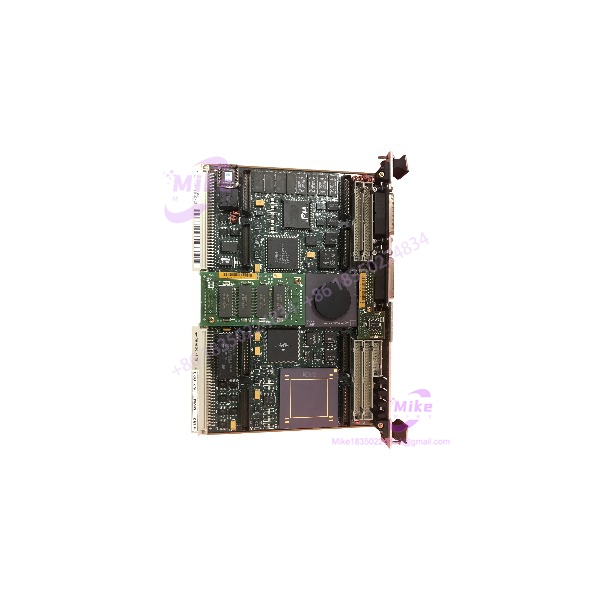
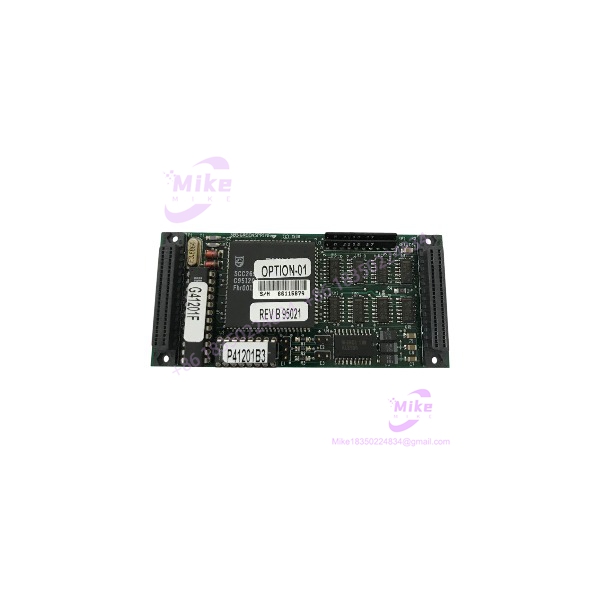
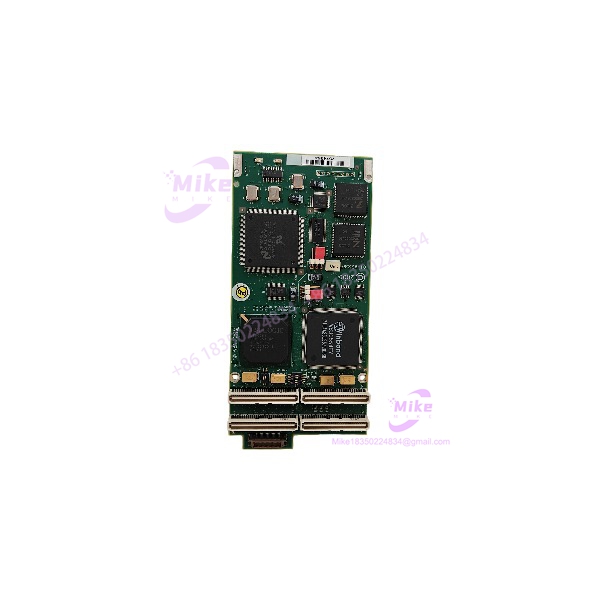
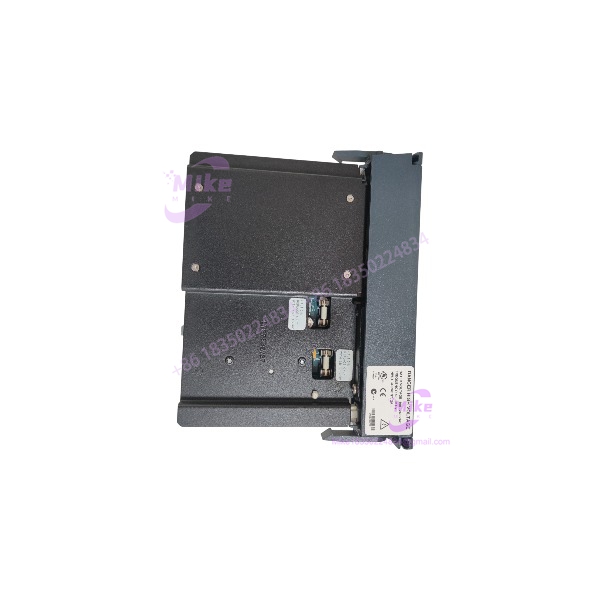
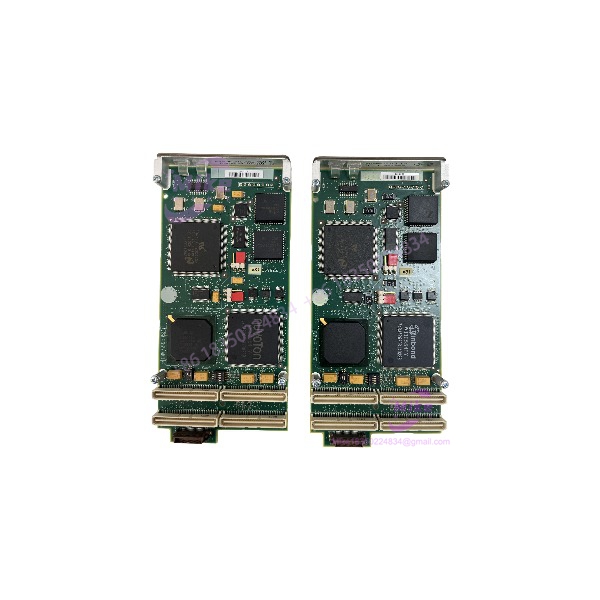
Motorola IPMC761 | PMC I/O Expansion Module
Product Introduction
Legacy MVME systems often depend on specific I/O hardware to preserve existing interfaces and field wiring. The Motorola IPMC761 is a PMC expansion module designed to provide rear-I/O functionality in supported Motorola/Emerson embedded computing platforms. It is intended for use as part of a compatible system—not as a standalone controller.
The IPMC761 supports SCSI, serial, and parallel I/O routed through the host system’s P2 interface. Its documented SCSI controller is the Symbios 53C895A, with Ultra-SCSI transfer rates of up to 40 MB/s in 16-bit mode. For maintenance teams keeping established MVME installations in service, the IPMC761 may serve as a replacement for a matching installed module. Confirm the host board, transition module, and hardware revision before ordering.
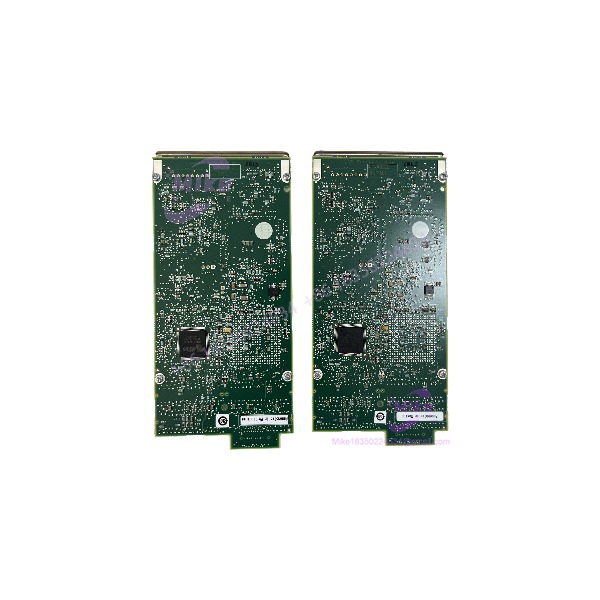
IPMC761
Key Technical Specifications
- Model: IPMC761
- Module Format: Single-wide PMC
- PMC Interface: A32/D32/D64
- PCI Bus Clock: 33 MHz
- PCI Signaling: 5V
- SCSI Controller: Symbios 53C895A
- SCSI Interface: Single-ended Ultra-Wide SCSI
- SCSI Transfer Rate: Up to 5.0 MB/s asynchronous; up to 20 MB/s in 8-bit Ultra-SCSI mode and 40 MB/s in 16-bit mode
- SCSI Connector Routing: P2; 50- or 68-pin connection, depending on configuration
- Synchronous Serial Controller: 85230/8536
- Synchronous Serial Ports: 2
- Synchronous Serial Configuration: TTL to P2; SIM-configurable on the MVME761 transition module
- Synchronous Serial Maximum Rate: Up to 2.5 Mbps synchronous
- Asynchronous Serial Interface: 16C550 UART
- Asynchronous Serial Ports: 2
- Asynchronous Serial Configuration: EIA-574 DTE
- Parallel Controller: PC97307
- Parallel Interface: 8-bit bidirectional, IEEE 1284-compatible; Centronics-compatible
- Host Integration: Compatible MVME platforms configured for IPMC operation
- Transition Module: MVME761 or MVME712M, subject to host-board compatibility
Specifications are based on IPMC761 family documentation. Confirm the exact board revision and host configuration before using these details as acceptance criteria.
Global Sourcing & Live-Test SOP
For surplus or replacement inventory, a meaningful inspection should go beyond a visual check.
Incoming Verification
- Confirm the model marking and inspect the PCB for revision identifiers.
- Photograph the board, connectors, components, and serial or traceability labels.
- Inspect the PMC connector for bent, damaged, or contaminated contacts.
- Check for corrosion, cracked components, PCB damage, and signs of unauthorized repair.
Compatibility and Authenticity Checks
- Compare board markings and layout against available OEM documentation.
- Confirm the intended MVME host board and transition-module combination.
- Verify that the host supports the required IPMC configuration.
- Record any suffix, revision, or assembly-number discrepancy before fulfillment.
Functional Validation
- Install only in a compatible host platform using the OEM installation procedure.
- Verify host recognition and review available startup diagnostics.
- Test supported SCSI, serial, and parallel interfaces with appropriate equipment.
- Record the host model, transition module, firmware or software environment, and observed test results.
- If extended testing is performed, document its duration and outcome. Do not represent an untested unit as live-tested.
ESD Protection and Shipment
- Use ESD-safe handling and packaging.
- Protect the PMC connector from mechanical damage.
- Include only the accessories explicitly identified in the order.
- Preserve photographs and inspection records for traceability.
Field Engineer’s Pitfall Guide
- ❗ Host compatibility is not universal. The is a PMC I/O module for specific MVME system configurations. Confirm the host board and IPMC operating mode before installation.
- ❗ Do not assume transition-module interchangeability. The MVME761 and MVME712M expose different connector arrangements and capabilities. Verify the required rear-I/O hardware and cabling for the target system.
- ❗ Check the exact board variant. family documentation includes related model designations. Do not assume that , IPMC7616E, or another suffix-bearing variant is interchangeable without checking the applicable OEM documentation.
Intent-Driven FAQ
Q1: What does the Motorola do?
It provides rear-I/O expansion for compatible MVME embedded computing systems, including SCSI, serial, and parallel interfaces.
Q2: Is the a standalone PLC or controller?
No. It is a PMC I/O expansion module intended to operate with a compatible host computer.
Q3: Which host boards support the ?
The is documented for compatible MVME platforms, including configurations involving the MVME2600, MVME2700, MVME5100, and MVME5500 families. Confirm the exact host model and supported operating mode before ordering.
Q4: Does the include the MVME761 transition module?
Not necessarily. The transition module is separate unless explicitly included in the listing. Verify the package contents before purchase.
Q5: Can I use the as a direct replacement for my existing board?
Potentially, if the model, revision, host platform, and system configuration match. Compare the installed board’s markings and configuration before substitution.
Q6: Is this module hot-swappable?
Do not assume hot-swap capability. Follow the host system’s OEM installation and power-down procedures.
Q7: Is the obsolete?
It is legacy embedded-computing hardware. Buyers maintaining existing systems should verify current OEM support and source a matching spare where required.