


Description
Honeywell 51402497-200 | Enhanced Operator Keyboard, New Surplus
Architect’s Product Breakdown
The Honeywell 51402497-200 operates as an Enhanced Operator Keyboard (OEP) tailored for TDC 3000 distributed control system environments. Its physical layout combines standard alphanumeric keys with specialized, tactile function blocks engineered for rapid process alarm acknowledgment, loop tuning overrides, and graphic display calls. In high-stakes continuous plant operations, a robust, tactile operator keyboard is vital for ensuring shift crews can execute emergency commands without relying on fragile mouse-driven interfaces.
Deploying or replacing this unit requires careful inspection of the communication cable harness and internal grounding points. Maintenance technicians must ensure that connector pins are clean and free of operator-induced fluid ingress or dust accumulation, which can cause sticky keys or erratic serial data transmission back to the console electronics node. Securing the desktop or console mounting brackets prevents mechanical strain on the internal interface cord during heavy use.
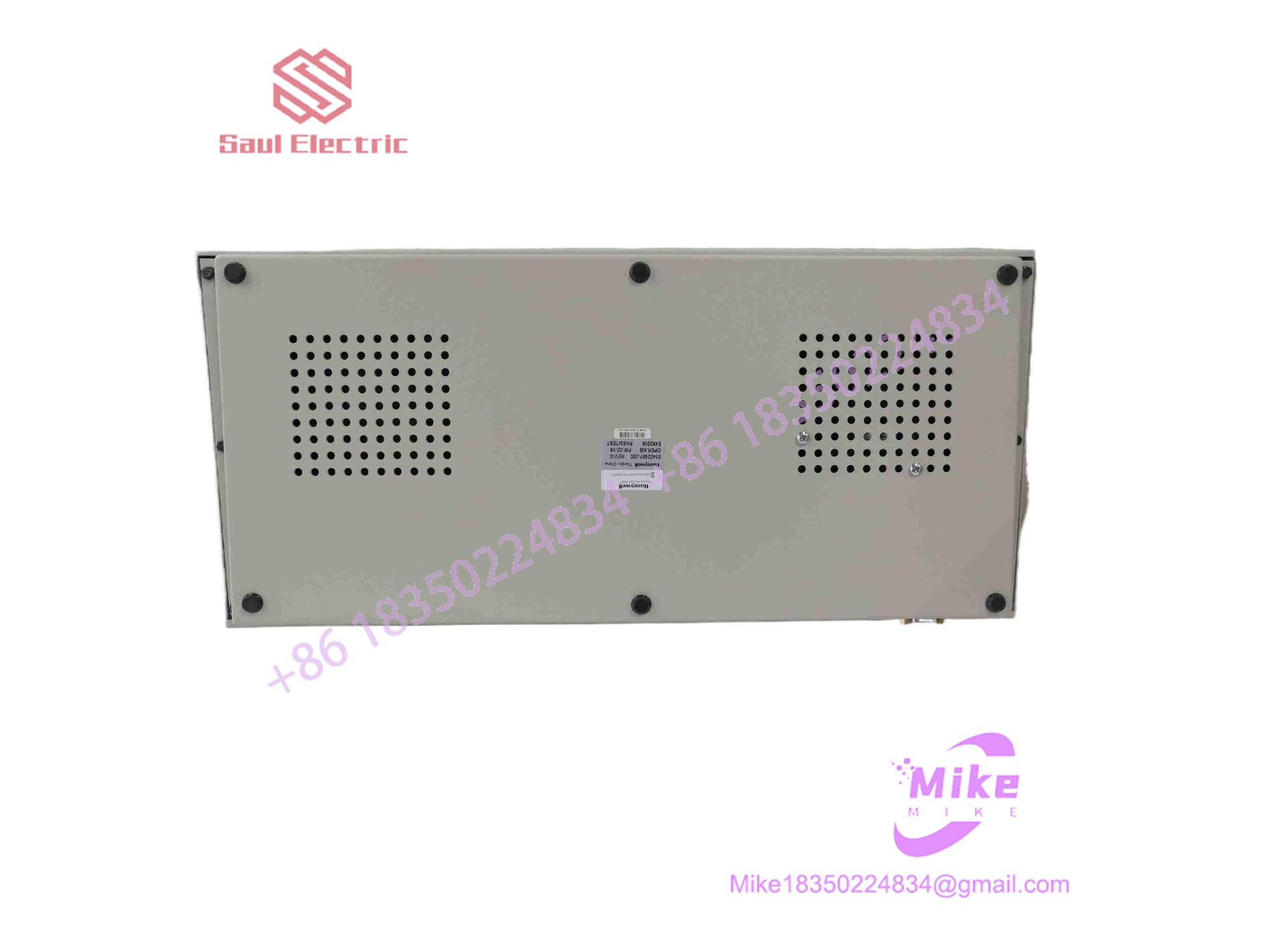
51402497-200
Key Technical Specifications
| Parameter | Specification |
| Manufacturer | Honeywell |
| Part Number | 51402497-200 |
| Module Type | Enhanced Operator Keyboard (OEP) |
| Compatible Architecture | Honeywell TDC 3000 Operator Stations |
| Enclosure Type | Heavy-duty industrial console mount |
| Interface Type | Dedicated console communication link |
| Operating Temperature | 0°C to +50°C |
| Storage Temperature | -20°C to +70°C |
| Relative Humidity | 10% to 90% non-condensing |
Field Engineer’s Pitfall Guide (Unique Value)
- Spill and Contamination Vulnerabilities: Plant control rooms can be harsh environments. Liquid spills on unsealed or worn key membranes will short out the matrix circuit board, freezing operator input capabilities during a live run.
- Cable Strain Damage: Yanking or stretching the coiled interface cable beyond its limits damages the internal conductors, triggering intermittent loss-of-keyboard communication alarms on the console node.
- Firmware/Revision Tracking: Swapping older keyboard revisions with newer surplus units can sometimes introduce key-mapping discrepancies if the station’s personality software is outdated. Always verify functional response across all custom function blocks post-installation.
QA & Testing SOP (Transparency)
- Visual & Origin Verification: Units are inspected for OEM keycap integrity, membrane resilience, housing cleanliness, and connector pin straightness.
- Test Bench Simulation: The keyboard is connected to a live TDC 3000 test station to verify bi-directional communication handshakes and node response times.
- Key Matrix Validation: Automated diagnostic routines register every individual keystroke, dedicated function block, and indicator light to guarantee zero dead keys or contact bounce.
- Protective Packaging: Post-testing, units are wrapped in anti-static film and packed inside heavy-duty corrugated cartons with high-density foam inserts to prevent shipping damage.
Technical FAQ
- Can I hot-swap this operator keyboard while the console is active? Yes, in most console configurations the keyboard interface port supports hot-plugging, but always check local site safety policies and avoid forcing connectors.
- What causes keys to stop responding intermittently? This is typically due to oxidation on the internal membrane traces, moisture ingress, or a degraded communication cable connection at the console port.
- Is this keyboard compatible with non-TDC 3000 systems? No. The 51402497-200 is engineered specifically with custom protocols and key configurations tailored for Honeywell TDC 3000 operator environments.
- What warranty is provided with a surplus unit? Units carry a standard 12-month replacement warranty backed by complete key-matrix bench testing.





