

Description
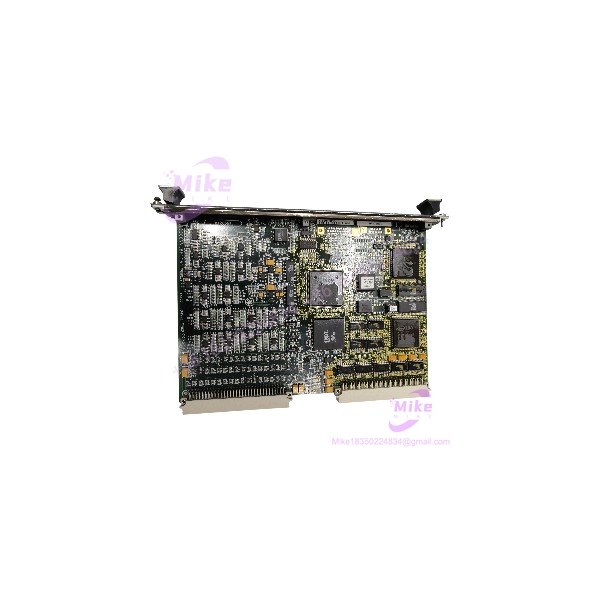
GE IS200VVIBH1CAC | Mark VI Vibration Monitor Board
Product Introduction
Vibration data is only useful when the monitoring hardware, terminal board, and controller configuration agree. The GE IS200VVIBH1CAC is a Mark VI Speedtronic VME Vibration Monitor Board designed to process vibration-probe signals routed through DVIB or TVIB terminal boards.
The VVIB board digitizes incoming signals and transfers the data to the Mark VI controller through the VME bus. The monitored parameters may include shaft vibration, rotor eccentricity, differential expansion, and rotor axial position, depending on the installed probe and application configuration. Supplier references describe support for up to 14 probes, but the actual channel arrangement should be checked against the installed system documentation.
For maintenance teams sourcing the IS200VVIBH1CAC, the critical procurement checks are the exact board number, revision, terminal-board pairing, and evidence of functional testing. A similar VVIB board—or one with a shortened part number—should not be assumed to be a drop-in replacement.
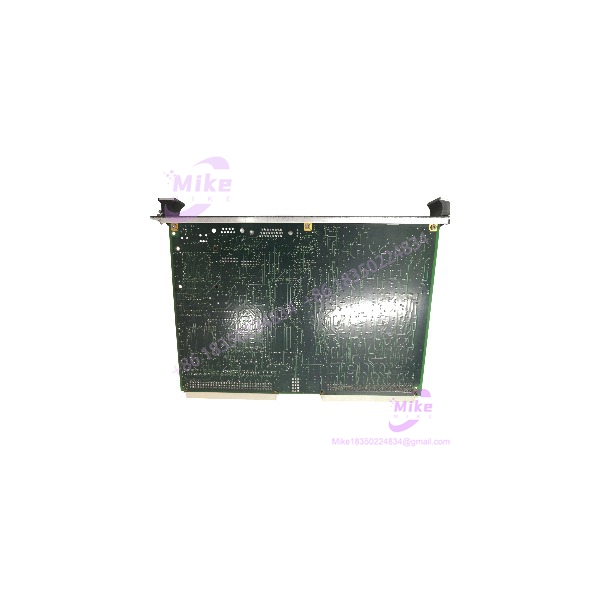
IS200VVIBH1CAC
Key Technical Specifications
- Manufacturer: General Electric
- Model: IS200VVIBH1CAC
- Functional Abbreviation: VVIB
- Product Family: Mark VI Speedtronic
- Board Function: Vibration monitoring and signal processing
- Board Format: VME circuit board
- Signal Source: DVIB or TVIB terminal boards
- Probe Capacity: Up to 14 probes, per supplier references
- Signal Processing: Analog vibration-signal acquisition and digitization
- Controller Communication: VME bus
- Monitored Parameters: Vibration, rotor eccentricity, differential expansion, and rotor axial position, subject to system configuration
- Redundancy: Mark VI applications may use simplex or TMR architecture; confirm the installed configuration
- Mounting: VME rack with faceplate
- Revision Identification: H1CAC; verify physical board markings and revision details
The exact input ranges, channel-by-channel assignments, probe excitation limits, and environmental ratings should be confirmed using the applicable GE Mark VI documentation. Do not use generic VVIB-family figures as guaranteed ratings for every IS200VVIBH1CAC assembly.
Global Sourcing & Live-Test SOP
For a used or surplus GE IS200VVIBH1CAC, a visual inspection is necessary but insufficient. Vibration-monitoring hardware should be evaluated against the intended Mark VI configuration.
1. Inbound Verification
- Photograph the full GE nameplate and all board markings.
- Confirm the exact part number.
- Record serial number, revision, and assembly identifiers.
- Inspect the VME edge connectors and faceplate for damage.
- Check for corrosion, contamination, heat discoloration, or prior repair.
- Inspect visible components and solder joints for damage.
- Compare the board against the customer’s original unit and approved parts documentation.
2. Terminal-Board and Configuration Review
- Confirm whether the installed system uses DVIB or TVIB terminal boards.
- Verify the terminal-board and VVIB pairing against GE documentation.
- Identify the turbine protection and monitoring configuration.
- Confirm simplex or TMR application requirements.
- Check the board revision and approved replacement status.
- Do not assume compatibility with another VVIB variant based on appearance or a shortened part number.
3. Controlled Functional Testing
Use an appropriate GE-compatible test arrangement and qualified personnel.
- Inspect the board and connectors before installation in a test rack.
- Confirm the test rack and power arrangement are suitable for the board.
- Check startup and available diagnostic indications.
- Apply only documented, compatible signal simulations.
- Verify signal acquisition and controller-side data transfer where the test setup supports it.
- Record the test configuration, observed values, and any fault indications.
Do not connect unknown probe signals or apply improvised voltages to the board. Use the applicable GE test procedure and terminal-board documentation.
4. Extended Run and Diagnostics
Where a suitable test setup is available, perform an extended powered run appropriate to the application.
Monitor:
- Startup and diagnostic status
- Vibration-signal acquisition
- Data stability
- VME communication
- Unexpected resets or intermittent faults
- Abnormal heating
- Connector and backplane integrity
Record test duration, board revision, terminal-board configuration, and test results. Do not advertise the board as fully tested unless the completed test scope supports that claim.
5. Final Preparation
- Record the complete model and revision.
- Photograph the board before packaging.
- Preserve available inspection and test records.
- Use ESD-safe packaging.
- Protect the VME edge connector and faceplate from impact.
- Clearly disclose whether the unit is new surplus, used, refurbished, tested, or untested.
Field Engineer’s Pitfall Guide
❗ Do not assume all VVIB revisions are interchangeable
The includes a specific assembly/revision designation. A related IS200VVIBH1C or another VVIB variant should not be substituted solely because the board family and general function match. Verify revision compatibility and the approved replacement path before installation.
❗ Confirm the DVIB/TVIB terminal-board pairing
The VVIB board processes signals routed through DVIB or TVIB terminal boards. Probe type, terminal-board wiring, and signal configuration affect whether the replacement can function correctly. Confirm the installed terminal board and channel assignments before commissioning.
❗ Do not confuse vibration monitoring with complete protection-system validation
A board that powers up or passes a basic signal test has not necessarily demonstrated correct turbine protection performance. Validate the intended signal paths, controller data, diagnostics, and application-specific requirements under the site’s approved procedure.
Intent-Driven FAQ
What is the GE ?
The is a GE Mark VI Speedtronic VME Vibration Monitor Board. It processes vibration-probe signals from compatible DVIB or TVIB terminal boards and transfers digitized data to the controller.
What does the VVIB board monitor?
Depending on the connected probes and system configuration, the VVIB board can support vibration-related measurements such as shaft vibration, rotor eccentricity, differential expansion, and rotor axial position.
How many probes can the support?
Supplier references indicate a capacity of up to 14 probes. Confirm the actual channel allocation and supported configuration using the applicable GE documentation and installed terminal-board arrangement.
Is the a PLC module?
No. It is a VME vibration-monitoring board for GE’s Mark VI turbine control system, not a standalone PLC CPU or general-purpose I/O module.
Can the replace an IS200VVIBH1C?
Do not assume direct interchangeability. The complete assembly number and revision must be checked against GE documentation and the installed Mark VI configuration before substitution.
Is the hot-swappable?
Do not assume it is hot-swappable. Treat replacement as a controlled maintenance operation under the plant’s approved procedure. Follow GE and site-specific instructions for rack isolation, removal, and commissioning.
What should I verify before purchasing?
Confirm the complete part number, board revision, terminal-board pairing, physical condition, and test status. Request clear photos of the nameplate, faceplate, and connectors. For an operating turbine, verify the replacement against the approved Mark VI configuration before ordering.
Bottom Line for Buyers
The is a Mark VI VME Vibration Monitor Board used to acquire and process turbine vibration-probe signals. Its replacement suitability depends on the exact board revision, compatible DVIB/TVIB terminal-board arrangement, and installed Mark VI configuration.
For procurement, preserve the complete part number, request clear board photographs, and confirm test status. A matching VVIB family designation is not sufficient evidence of interchangeability or functional condition.





