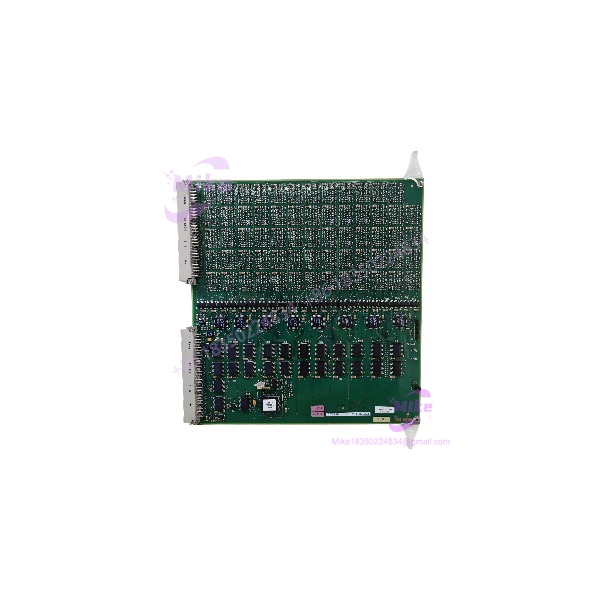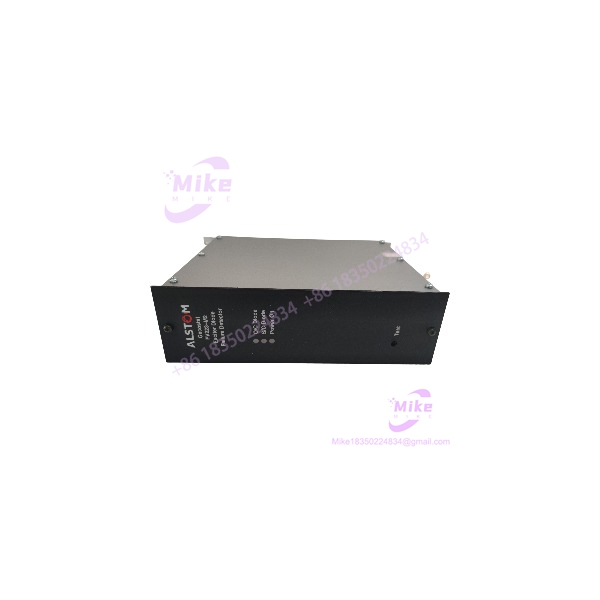
Description
ALSTOM FV223-M2 | GECOSTAT Diode Failure Detector
Dynamic Product Introduction
A failed excitation-bridge diode is not the kind of fault you want discovered indirectly through deteriorating generator performance. The ALSTOM FV223-M2 is designed for that specific diagnostic problem: monitoring the diode condition within a GECOSTAT excitation system and identifying an excitation-rectifier fault before it develops into a larger generator protection event.
The FV223-M2 is therefore better understood as a dedicated protection and diagnostic component than as a conventional PLC I/O card. Available technical descriptions identify it as an exciter diode failure detector for GECOSTAT systems, with front-panel LED indication for operating and fault conditions. That architecture-specific role is important when sourcing a replacement because electrical compatibility alone does not prove that another module can perform the same diagnostic function.
In field deployments, the surrounding excitation-system architecture matters just as much as the FV223-M2 nameplate. The correct spare should match the installed GECOSTAT configuration, physical interface, revision, and system wiring rather than simply being advertised as an “Alstom diode detector.”
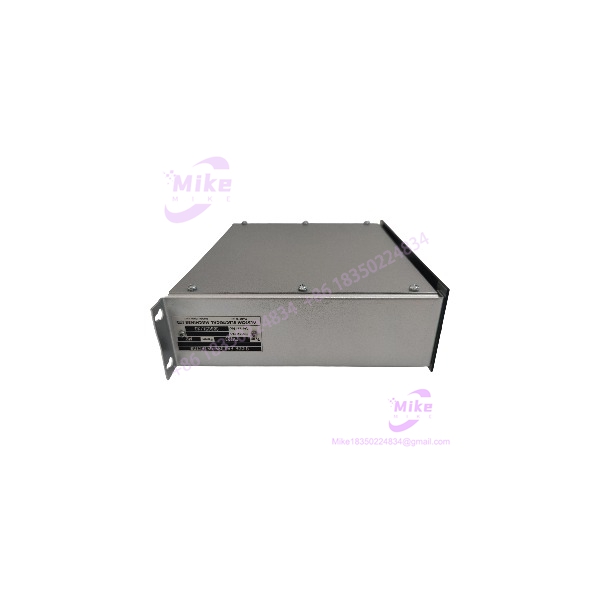
FV223-M2
Key Technical Specifications
- Model: FV223-M2
- Manufacturer: ALSTOM
- Product family/application: GECOSTAT excitation system
- Device function: Exciter diode failure detection
- Primary monitored equipment: Generator excitation rectifier bridge
- Fault-monitoring purpose: Identification of abnormal diode conditions within the excitation system
- Status indication: LED indicators are associated with operating and fault status
- Installation context: Industrial generator excitation/protection cabinet or associated GECOSTAT equipment
- Module designation: FV223, form/version M2
- Replacement category: Architecture-specific industrial excitation-system spare
- Lifecycle consideration: Secondary industrial-equipment sources identify the FV223-M2 as discontinued/obsolete; confirm the lifecycle status against the installed plant documentation before planning a migration.
- Identification requirement: Verify the cte marking, revision, serial information, and physical configuration before purchase.
Exact electrical ratings, terminal assignments, connector pinouts, internal test circuitry, and allowable excitation-system configurations should be confirmed against the plant’s applicable GECOSTAT documentation. Conflicting online listings exist, and substituting specifications from unrelated variants can create a dangerous procurement error.
Global Sourcing & Live-Test SOP
For an obsolete excitation-system component such as the , receiving inspection should start with identification rather than power-up.
1. Inbound verification
Check the front-panel designation, manufacturer marking, type designation, M2 form, serial number, connector arrangement, housing condition, and PCB condition where accessible. Compare photographs against the approved maintenance record.
2. Configuration verification
Confirm that the installed generator excitation system actually calls he . Do not assume that every GECOSTAT cabinet using an -family detector accepts every revision.
3. Physical inspection
Look for cracked housings, oxidized terminals, loose hardware, damaged connectors, corrosion, evidence of moisture ingress, or previous component-level repair. Shelf-aged electronics deserve particular attention around electrolytic capacitors, connectors, and solder joints.
4. Functional simulation
Where the appropriate engineering test fixture is available, reproduce the relevant excitation-diode monitoring signals under controlled conditions. Confirm normal status indication first, then exercise the documented fault-detection paths.
5. Alarm-path verification
Verify that the detector’s fault output reaches the intended excitation-system protection or alarm circuit. Continuity alone is not enough; the complete signal path should be checked against the approved wiring diagram.
6. Extended run
A practical procurement test should include an extended energized observation period. Monitor supply behavior, LED status, abnormal heating, intermittent indications, and alarm-state recovery.
7. Final preparation
Record serial number, revision, test results, condition, and packaging status. Use ESD-safe packaging and adequate mechanical protection. For a critical generator spare, preserve the test report with the item rather than treating it as ordinary warehouse stock.
Field Engineer’s Pitfall Guide
1. Do not confhe with a generic digital input module.
This component belongs to an excitation-system diagnostic function. An electrically similar relay or PLC input card does not automatically reproduce diode-failure detection logic. One common procurement mistake is matching voltage and connector dimensions while ignoring the actual diagnostic role.
2. Do not mix variants without checking the installed system documentation.
The designation “” identifies a family, while identifies a specific form/version. Physical similarity is not sufficient evidence of interchangeability. Check revision, wiring, mounting arrangement, and the GECOSTAT system documentation before approving a substitute.
3. Do not judge a used detector solely by whether its LEDs illuminate.
LED operation confirms only part of the picture. A detector can power up and still have an incorrect alarm interface, degraded sensing circuitry, intermittent connections, or a fault-detection path that has not been exercised. Honestly, for a generator excitation spare, a documented functional test is worth far more than a clean photograph.
Intent-Driven FAQ
What is theOM used for?
he is a dedicated GECOSTAT exciter diode failure detector. Its job is to monitor diode-related faults in the generator excitation rectifier system and provide diagnostic/fault indication.
Is a PLC or DCS I/O module?
No. It should not be treated as a conventional PLC/DCS input card. Its function is tied specifically to the generator excitation and rectifier-diode monitoring architecture.
What equipment should be checked before buying a replnt ?
Confirm the generator excitation system model, GECOSTAT configuration, installed variant, revision or serial information, connector arrangement, wiring documentation, and existing alarm/protection interface.
Can I ce with another diode-failure detector?
Only after engineering verification. A substitute must reproduce the required sensing behavior, fault logic, interfaces, mounting arrangement, and system compatibility. A generic fault detector is not automatically an acceptable replacement.
he obsolete?
Some industrial surplus sources identhe as discontinued or obsolete. That does not by itself establish the lifecycle status of every installed GECOSTAT system. Treat it as a legacy spare and verify the approved plant replacement strategy before committing to a long-term migration.
Shoulded be tested before installation?
Yes. At minimum, verify identification and physical condition, then perform a controlled functional test using the appropriate GECOSTAT test procedure or engineering fixture. Confirm both normal indication and the documented fault/alarm path.
What should a procurement team request from the seller?
Request clear photographs of the complete name, designation, serial number, connectors, front panel, and any visible revision markings. For a used or surplus unit, also request the available functional-test evidence and the exact condition being supplied.
Dhe have a firmware version that must be matched?
Do not assume a firmware number based on generic automation-module practices. This is a dedicated excitation-system detector, and compatibility should be established from the applicable GECOSTAT documentation, hardware revision, and installed-system configuration.
What is the safest replacement strategy for a critical generator?
For a running power-generation asset, retain at least one verified spare where practical, document the installed revision, and test the spare before it becomes an emergency replacement.he is no longer obtainable through the original supply chain, evaluate an approved modernization path rather than selecting an unverified drop-in substitute.