


Description
ABB PFTL 101A/ PFTL101A LOAD CELL 1.0KN 3BSE004166R1
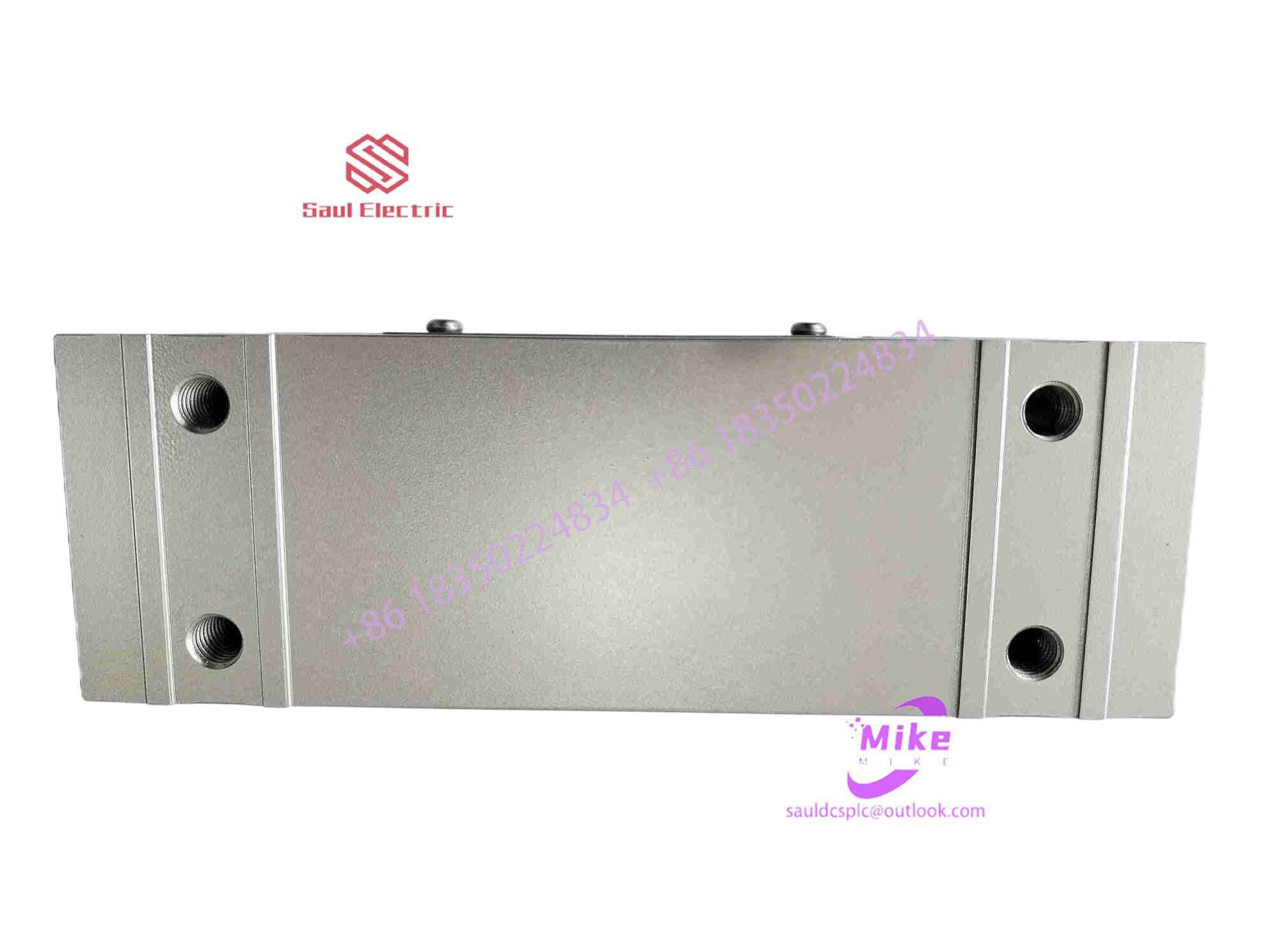
ABB PFTL 101A/ PFTL101A LOAD CELL 1.0KN 3BSE004166R1
A Comprehensive Introduction to Tension Sensors (Tension Pick-up)
🎯In short : A tension sensor is a precision instrument that converts the tensile force (tension) on a material into a measurable electrical signal. It is the electronic antennae for “sensing tension” in industrial automation. Its core mission is to monitor tension in real time and control it in a closed loop to prevent material breakage, loosening, or deviation.
📌 I. Basic Overview
| project | content |
|---|---|
| Chinese name | Tension sensor / tension detector |
| English name | Tension Pick-up / Tension Sensor / Load Cell for Tension |
| Core Functions | Measure the tension value of roll/thread/fabric in motion or at rest. |
| Invention time | In 1948 , Honnsberg invented the high-frequency charge measurement unit and the uniaxial tension sensor. |
| Development trend | Miniaturization → Intelligentization → Multifunctionality → Wirelessization |
🔧 II. Four Major Working Principles
| principle | mechanism | Features | Typical applications |
|---|---|---|---|
| 🔬Strain gauge type (most mainstream) | A metallic elastomer under tension → strain gauge resistance change → Wheatstone bridge output voltage | High precision, moderate cost, and widest application | Industrial roll tension control and weighing |
| 📐Micro -displacement type | External force causes a slight displacement (±200μm) in the leaf spring → Differential transformer testing | Extremely high sensitivity and minimal displacement | High-frequency dynamic tension measurement |
| ⚡Piezoelectric | Dielectric under force → surface charge generated | Extremely fast response (μs level) and wide dynamic range | 冲击力/动态张力瞬态测量 |
| 🧲Magnetic type | Change in magnetic permeability of ferromagnetic materials under stress | Large measuring range and strong overload resistance | 重载张力测量(如钢丝绳) |
💡More than 90% of industrial applications use strain gauges because they achieve the best balance between accuracy, cost, and reliability.





