


Description
Hartmann & Braun ABB V17152-310
Brand: ABB (Hartmann & Braun)
Model: V17152-310. This product is an intelligent transmitter module belonging to the ABB Contrans I series. It is primarily designed to measure, convert, and calculate various physical parameters, transforming analog field signals into digital signals for seamless communication within industrial automation systems.
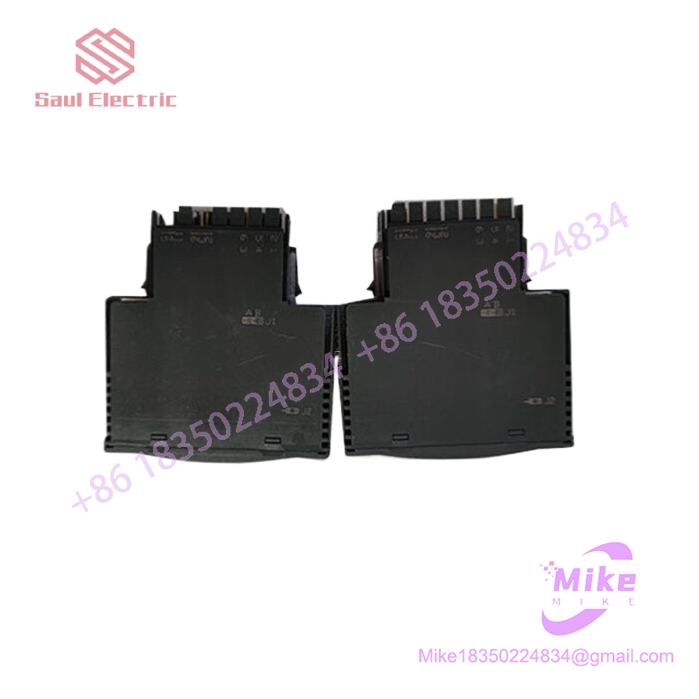
Hartmann & Braun ABB V17152-310
Parameters:
- Electrical Specifications: Operates with an input voltage range of 12-48VDC and provides an output voltage of 5VDC. The maximum output current is typically 10A (with some specifications noting 5A), and it supports a rated voltage/current of 220V, 5A at an output frequency of 50Hz.
- Communication & Compatibility: Supports the Modbus RTU communication protocol, HART compatibility, and FSK bus functions.
- Physical Characteristics: Features a compact modular design with dimensions of 17.6mm x 56.7mm x 42.3mm, weighs 0.43kg, and utilizes a standard DIN rail mounting method with an IP20 protection rating.
- Core Features: Provides electrical isolation for binary or analog field signals, utilizes a high-performance processor, and is engineered for high reliability in harsh environments.
Usage Industries and Scenarios:
- Petrochemical Industry: Widely utilized to measure and control temperatures or pressures in oil wells, storage tanks, and pipelines, ensuring the safety and stability of production processes.
- Power Generation: Deployed in power plants and substations to monitor and control temperatures or serve as an integral part of other control systems, guaranteeing the normal operation of critical equipment.
- HVAC (Heating, Ventilation, and Air Conditioning): Applied to conduct real-time monitoring and control of temperatures, maintaining system stability and operational safety.
- General Industrial Automation: Integrated into various automated systems to replace traditional methods, enabling more complex secondary control schemes and ensuring the stability and safety of production processes.





