

Description
ABB PIB100G 3BEE0226 | Process Interface Board Module Specs
Architect’s Product Breakdown
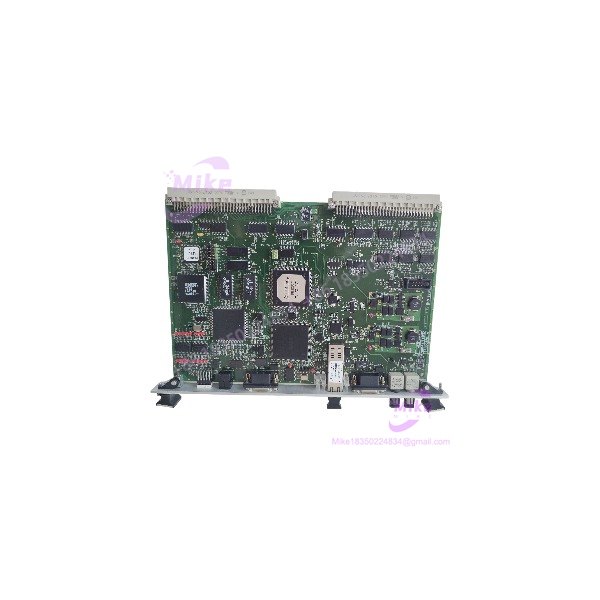
The ABB PIB100G (3BEE0226) operates as a specialized Process Interface Board (PIB) designed for integration into ABB’s industrial control rack architectures. Built to handle complex process control and automation loops in continuous manufacturing plants—such as chemical processing, power generation, and paper mills—this hardware model conditions incoming analog and discrete field telemetry before transmitting it across high-speed internal backplane buses to the primary system controller.
Deploying or servicing this model requires establishing correct card slot alignment within the subrack frame and ensuring backplane locking mechanisms are securely latched. The board incorporates optoelectronic galvanic isolation barriers between field-side connection terminals and sensitive microprocessor logic. By buffering input and output signal paths against high-voltage surges and line noise, the unit maintains system stability in electrically noisy environments. During maintenance replacements, field engineers must verify that all DIP switches, jumper address banks, and software configuration files are correctly mirrored from the original unit.
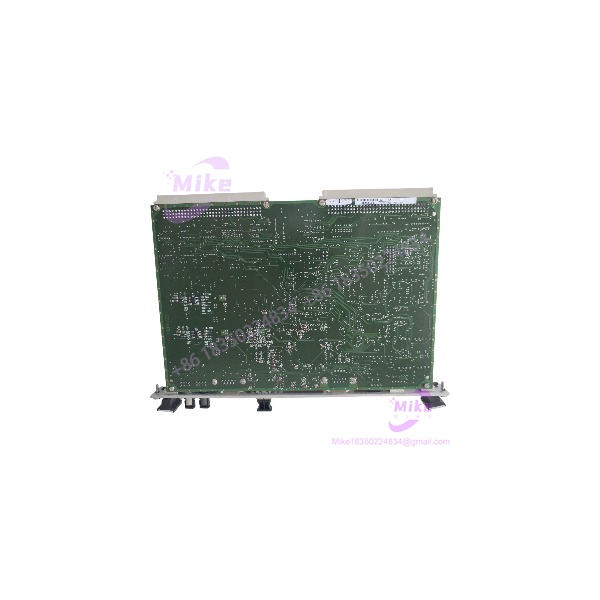
PIB100G 3BEE0226
Key Technical Specifications
- Manufacturer: ABB Industrial Automation
- Product Category: Process Interface Board / System I/O Module
- Part Number / Catalog No.: PIB100G (3BEE0226 / 3BEE0226R0001)
- System Family: ABB Process Control Architecture
- Primary Function: Field signal conditioning, bus interface buffering, and channel isolation
- Operating Supply Voltage: 24 VDC nominal (Supplied via rack backplane)
- Galvanic Isolation: 1000 V channel-to-bus galvanic isolation
- Form Factor: Modular slide-in Eurocard format with front panel ejector handles
- Status Indicators: Front panel diagnostic LEDs for power, communication, and fault status
- Operating Temperature Range: 0°C to +55°C
- Weight: Approximately 0.55 kg (1.21 lbs)
Field Engineer’s Pitfall Guide (Unique Value)
- Hot-Swapping Under Active Load: Never unseat or insert the PIB100G card into an energized subrack unless the specific system control manual explicitly permits hot-swapping. Unseating the card under load can generate bus communication faults or damage edge connector contacts.
- Improper Shield Termination on Field Cables: Failing to ground field signal cable shields properly at the cabinet entry bar allows common-mode noise to propagate into the interface circuits, leading to signal instability or conversion errors.
- Connector Pin Misalignment: Forcing the board into its slot without checking that backplane guide rails are aligned can bend connector pins, causing intermittent power or communication dropouts.
QA & Testing SOP (Transparency)
- Visual & Origin Verification: Units undergo detailed microscopic optical inspection to confirm unbent backplane connector pins, undamaged PCB traces, clean front plate hardware, and authentic ABB part number labels.
- Live Bench Power & Bus Diagnostics: Modules are installed into a dedicated ABB subrack test fixture supplied with regulated 24 VDC power to verify boot routines, diagnostic LED illumination, and internal power rail stability.
- Signal Linearity & Loopback Testing: Technicians apply test signals across interface channels and monitor data transmission rates across the backplane bus to confirm signal translation accuracy and channel isolation.
- Anti-Static Packaging: Post-testing units are fitted with protective connector covers, wrapped inside conductive ESD shielding bags, and securely cushioned with high-density foam packaging for transit.
Technical FAQ
What function does the PIB100G perform in an ABB system?
This model serves as an interface and conditioning board, bridging field sensor and actuator signals to the main process controller backplane bus.
Is the part number 3BEE0226 equivalent to the PIB100G designation?
Yes. 3BEE0226 is the hardware part number assigned by ABB to the Process Interface Board assembly.
What power supply voltage is required for this module?
The card operates on a standard 24 VDC system supply delivered through the rack backplane assembly.
What is the standard warranty status for surplus inventory units?
Verified surplus or factory-sealed interface modules typically carry a 12-month operational warranty covering material and manufacturing defects under standard operating conditions.





