


Description
ABB DVE-68650 | Industrial DCS Controller Unit, New Surplus
Architect’s Product Breakdown
The ABB DVE-68650 operates as a specialized control and processing module within legacy ABB distributed control architectures. Designed for heavy industrial environments—such as power generation, chemical processing, and discrete manufacturing—its core responsibility involves executing dedicated control logic, managing internal backplane communications, or coordinating signals between field I/O nodes and central controllers.
Because ABB’s legacy automation ecosystems (including Advant OCS and Master Series platforms) have spanned multiple decades of industrial evolution, matching exact part numbers like the DVE-68650 is critical for plant maintenance. Minor revisions in hardware layout or firmware versions can lead to communication timeouts or configuration mismatches. When replacing a failed module, engineers must verify backplane slot addresses, jumper configurations, and system backup files to ensure smooth integration without downtime.
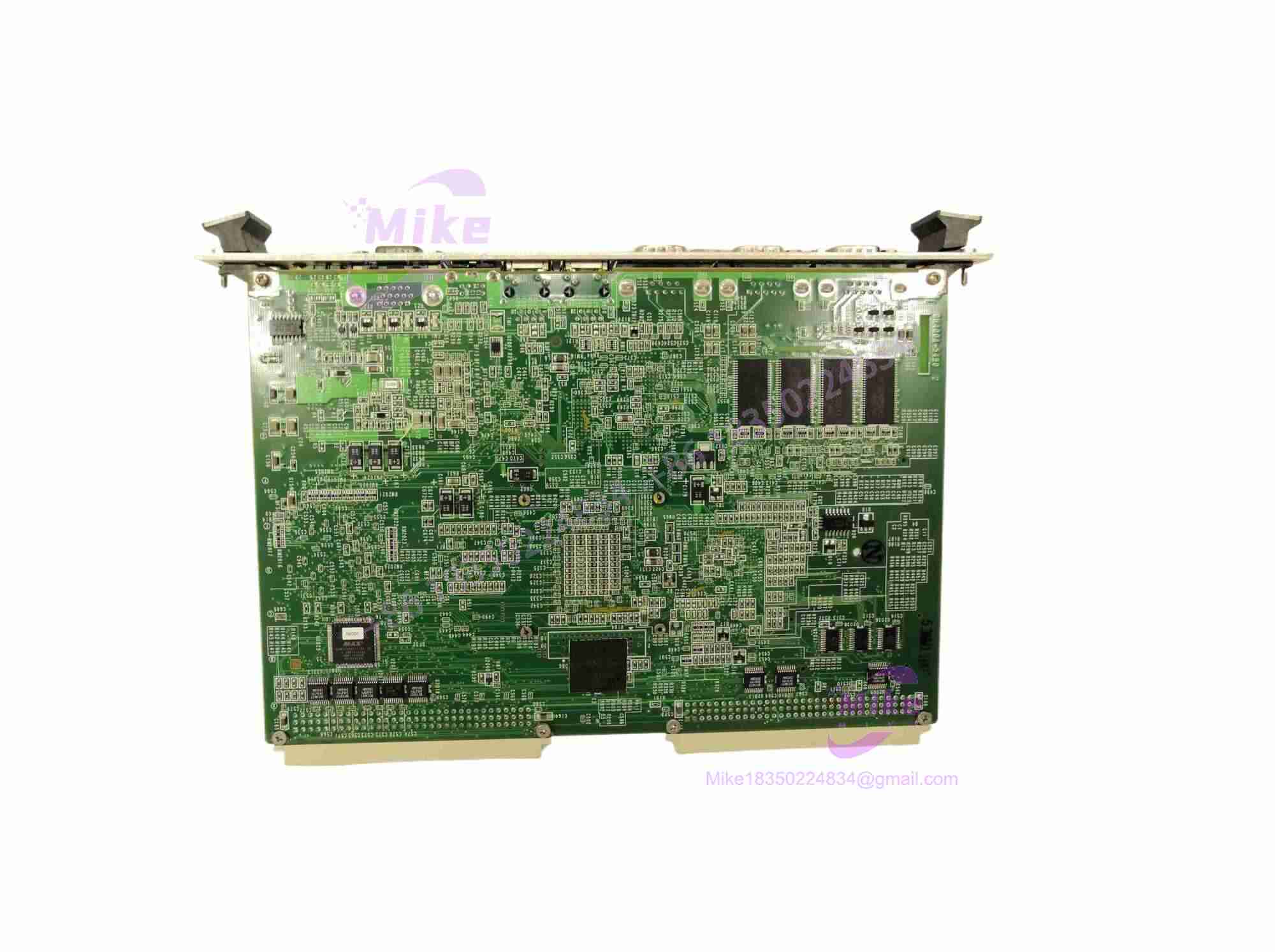
DVE-68650
Key Technical Specifications
| Parameter | Specification |
| Series | ABB Legacy DCS / Control Platform |
| Module Type | Industrial Control / Processing Module |
| Bus Interface | Proprietary industrial rack backplane bus |
| Mounting | Standard sub-rack card slot / chassis mount |
| Operating Temperature | 0°C to +55°C |
| Environmental Protection | Factory conformal coating against humidity, dust, and corrosive gases |
| Diagnostic Indicators | On-board status and error LED indicators |
Field Engineer’s Pitfall Guide
- WARNING: Backplane Pin Alignment Fractures. Forcing the DVE-68650 module into a sub-rack slot at an angle will bend fragile backplane connector pins, causing permanent communication faults and controller boot loops.
- WARNING: Unverified Jumper / Configuration Settings. Replacing a failed unit without matching the exact hardware jumper or switch configurations can misalign node addresses and trigger system fault trips.
- WARNING: Electrostatic Discharge Vulnerability. Handling bare circuit boards in dry plant environments without an ESD wrist strap can permanently damage static-sensitive integrated circuits.
- Field Anecdote: I remember an emergency maintenance window extending by several hours because a technician swapped a legacy control board without verifying the internal address jumper settings, causing the rack controller to throw continuous communication timeout errors on startup.
QA & Testing SOP
- Visual & Origin Verification: Inspect the printed circuit board under optical magnification for trace micro-fractures, component wear, and verify original ABB manufacturing labels and serial numbers.
- Live Test Bench Environment: Mount the module onto a certified ABB test rack powered by regulated DC supply rails.
- Diagnostics & Loop Testing: Execute diagnostic routines, verify backplane communication handshakes, and check input/output response stability across all channels.
- Anti-Static Packaging: Enclose the tested hardware in high-shielding anti-static materials and package with structural high-density foam to protect edge connectors during transit.
Technical FAQ
Can the DVE-68650 be integrated directly into modern ABB System 800xA networks?
No. The DVE-68650 is designed for legacy ABB DCS architectures and uses proprietary backplane protocols incompatible with modern 800xA hardware without dedicated gateway bridges.
Does this module store configuration parameters locally?
Configuration and execution files are typically managed via the central controller node or stored in non-volatile memory depending on the exact system architecture. Always verify backup status before replacement.
What causes periodic communication dropouts on this module?
Dropouts usually stem from oxidized backplane edge connectors, loose terminal block wiring, or environmental electrical noise coupling onto ungrounded signal shields.
Is this hardware hot-swappable while powered on?
No. Inserting or removing the while rack power is energized risks electrical arcing, backplane bus corruption, and permanent damage to internal components.





