


Description
ABB DSQC322 | IRB 6400 I/O Board, In Stock
Architect’s Product Breakdown
The ABB DSQC322 functions as a crucial digital I/O expansion board within legacy ABB S4 and S4C robot controller architectures. Its primary operational role is to bridge the robot controller’s internal computer system with external peripheral devices—such as pneumatic solenoids, safety interlock gates, part clamps, and welding controllers. By providing optically isolated digital channels, the board protects the central controller from electrical noise and voltage spikes generated by heavy industrial loads in the manufacturing cell.
Because the S4 robot platform has been out of production for years, locating exact hardware revision matches is vital to keeping legacy automation lines running smoothly. Minor discrepancies in board population or firmware handshakes can trigger communication timeouts or I/O configuration mismatches on the teach pendant. When swapping a failed unit, engineers must verify rack address settings and terminal wiring against the original robot cell backups.
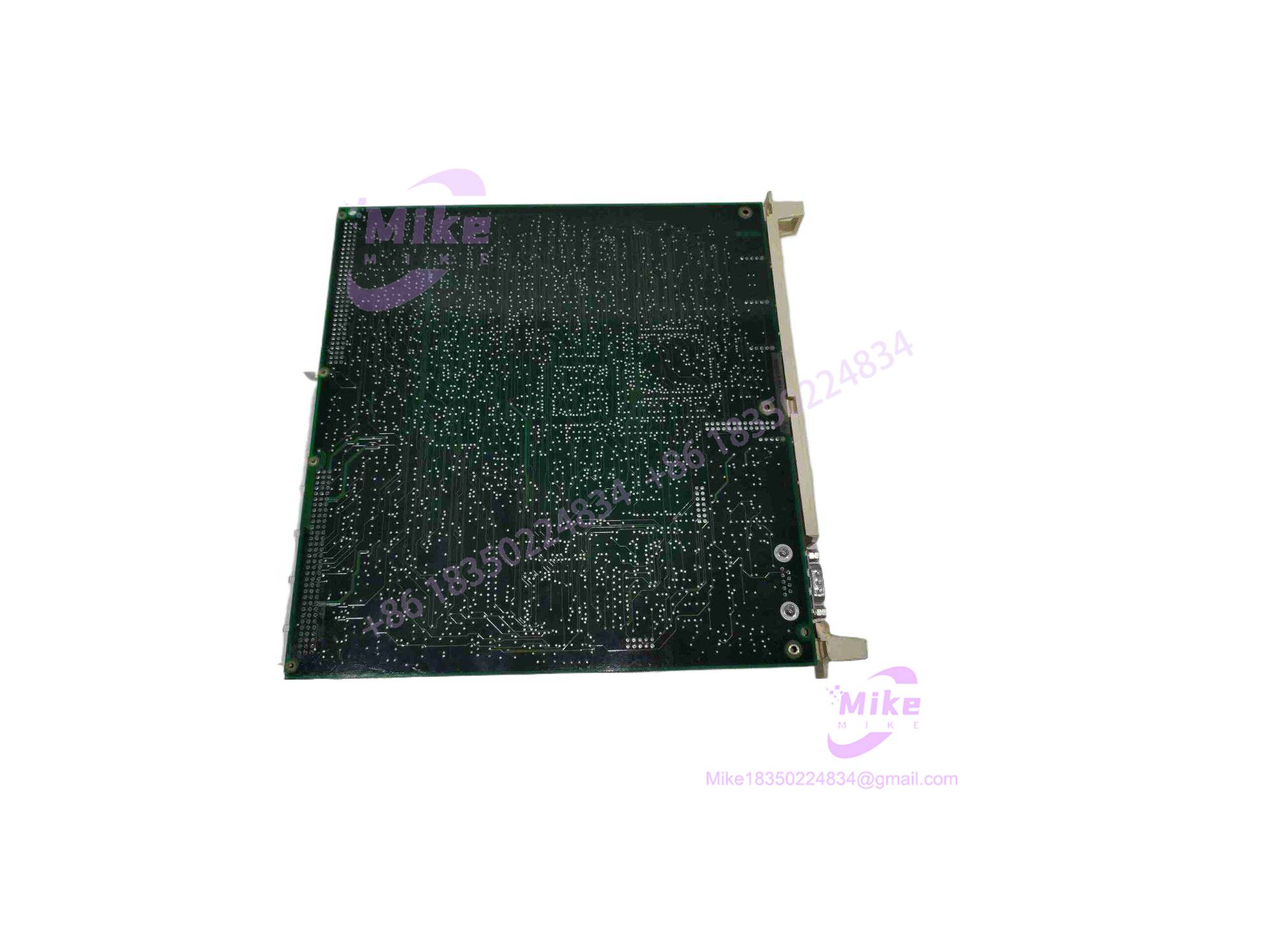
DSQC322
Key Technical Specifications
| Parameter | Specification |
| Series | ABB S4 / S4C Robot Controller Family |
| Module Type | Digital I/O Extension Board |
| Bus Interface | S4 controller internal backplane bus |
| Signal Isolation | Optical isolation on digital input/output channels |
| Mounting | Standard internal controller sub-rack chassis |
| Operating Temperature | +5°C to +45°C |
| Environmental Protection | Factory conformal coating for industrial cabinet environments |
| Diagnostic Indicators | On-board status and channel activity LEDs |
Field Engineer’s Pitfall Guide
- WARNING: Backplane Pin Stacking Damage. Pushing the DSQC322 card into the controller rack at an incorrect angle will bend delicate backplane pins, causing permanent communication loss with the main computer unit.
- WARNING: Unmatched I/O Addressing. Replacing a failed board without verifying the hardware address jumpers or configuration files will scramble peripheral signals, leading to dangerous machine collisions or tool crashes.
- WARNING: Electrostatic Discharge Risk. Handling the bare printed circuit board without a grounded wrist strap in dry shop floor environments can instantly fry static-sensitive logic gates.
- Field Anecdote: I remember an automotive stamping line standing idle for hours because a maintenance tech swapped a DSQC322 board without matching the rack address settings, causing the robot controller to throw a continuous I/O communication fault upon startup.
QA & Testing SOP
- Visual & Origin Verification: Inspect the printed circuit board under optical magnification for trace damage, capacitor condition, and verify original ABB factory labels and part numbers.
- Live Test Bench Environment: Mount the card onto a certified ABB S4 test fixture powered by regulated control voltage rails.
- Diagnostics & I/O Simulation: Execute automated loopback and signal switching tests across all digital input and output channels to verify optical isolation and communication integrity.
- Anti-Static Packaging: Seal the hardware in high-shielding anti-static metallized bags and package with structured high-density foam to protect edge connectors during shipping.
Technical FAQ
Can the DSQC322 be used in newer ABB IRC5 robot controllers?
No. The DSQC322 is explicitly engineered for legacy S4 and S4C controller architectures and uses backplane protocols and physical form factors completely incompatible with IRC5 systems.
Does this board store robot program logic or configuration files?
No. The is a dedicated hardware I/O peripheral; all system configurations, routines, and user programs are stored on the controller’s main computer unit and flash memory.
What causes sporadic I/O dropouts on this module?
Dropouts are typically caused by loose terminal block wiring, ungrounded sensor shield cables picking up electrical noise, or oxidized backplane edge connectors.
Is this I/O module hot-swappable while the robot controller is powered on?
No. Inserting or removing the while controller power is active risks electrical arcing, backplane bus corruption, and permanent damage to internal logic components.





